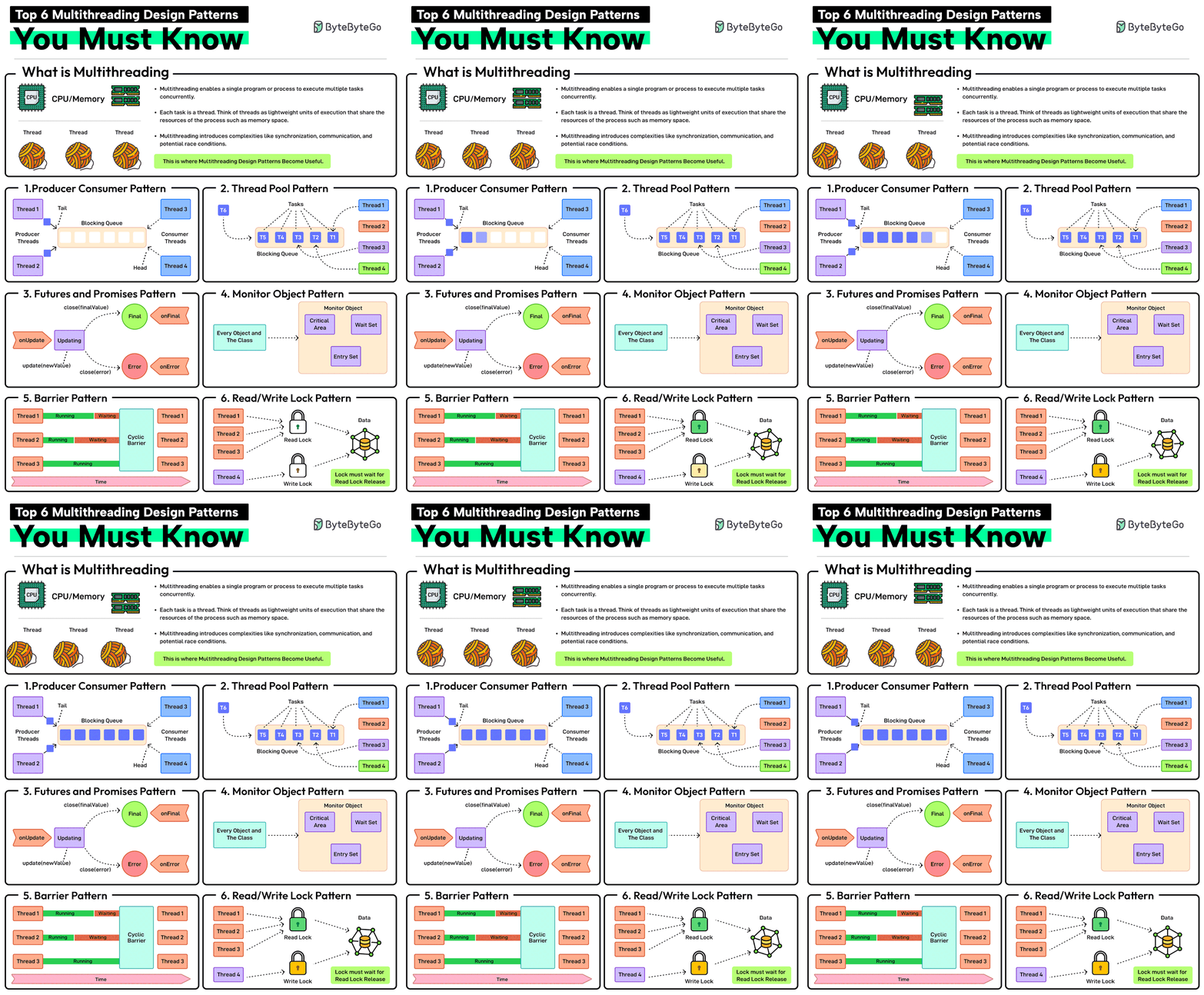
- Multithreading enables a single program or process to execute multiple tasks concurrently. Each task is a thread. Think of threads as lightweight units of execution that share the resources of the process such as memory space.
- However, multithreading also introduces complexities like synchronization, communication, and potential race conditions. This is where patterns help.
- Producer-Consumer Pattern: This pattern involves two types of threads: producers generating data and consumers processing that data. A blocking queue acts as a buffer between the two.
- Thread Pool Pattern: In this pattern, there is a pool of worker threads that can be reused for executing tasks. Using a pool removes the overhead of creating and destroying threads. Great for executing a large number of short-lived tasks.
- Futures and Promises Pattern: In this pattern, the promise is an object that holds the eventual results and the future provides a way to access the result. This is great for executing long-running operations concurrently without blocking the main thread.
- Monitor Object Pattern: Ensures that only one thread can access or modify a shared resource within an object at a time. This helps prevent race conditions. The pattern is required when you need to protect shared data or resources from concurrent access.
- Barrier Pattern: Synchronizes a group of threads. Each thread executes until it reaches a barrier point in the code and blocks until all threads have reached the same barrier. Ideal for parallel tasks that need to reach a specific stage before starting the next stage.
- Read-Write Lock Pattern: It allows multiple threads to read from a shared resource but only allows one thread to write to it at a time. Ideal for managing shared resources where reads are more frequent than writes.